Best Seasons to Build a Residential Hardscaping Project
Residential hardscaping is a seasonal decision as much as a design one. The time of year you build affects the weather during installation, how the base cures, and how quickly the crew can finish. Pennsylvania has distinct seasons, and each brings different advantages and challenges for patios, walkways, and walls. Understanding the timing helps you plan a project that finishes on schedule and holds up in the years that follow.
Ready to plan your project? Call Valley Creek Property Services at (610) 597-7342 to discuss timing.
Spring: Good Ground, Busy Calendar
Spring brings workable ground once the frost leaves the soil. Crews can excavate and compact the base without fighting frozen earth. The downside is demand. Many homeowners book spring projects early, so schedules fill quickly. Rain can also slow work, and saturated clay takes longer to prepare. Booking early helps you secure a slot.
Summer: Long Days and Heat
Summer offers long daylight hours and generally dry conditions, which suits excavation and paving. Heat can make the work tiring, and fresh concrete or polymeric sand needs proper curing and moisture. Crews often start early to finish before the hottest part of the afternoon. A summer project can finish quickly when the weather cooperates.
Fall: Often the Sweet Spot
Fall is frequently a favorite season for residential hardscaping. Temperatures are mild, and the ground is still workable before winter. Many homeowners also finish projects in time to enjoy the patio or fire pit through the autumn season. Scheduling in early fall gives crews enough time to finish before cold weather arrives.
Winter: Limited but Possible
Winter work is harder. Frozen ground makes excavation difficult, and cold temperatures affect how mortar and concrete set. Some tasks, such as planning, design, and material ordering, can happen in winter so that the crew is ready when spring arrives. Plan on a delayed start if your project needs to wait for warmer weather.
How Weather Affects the Base
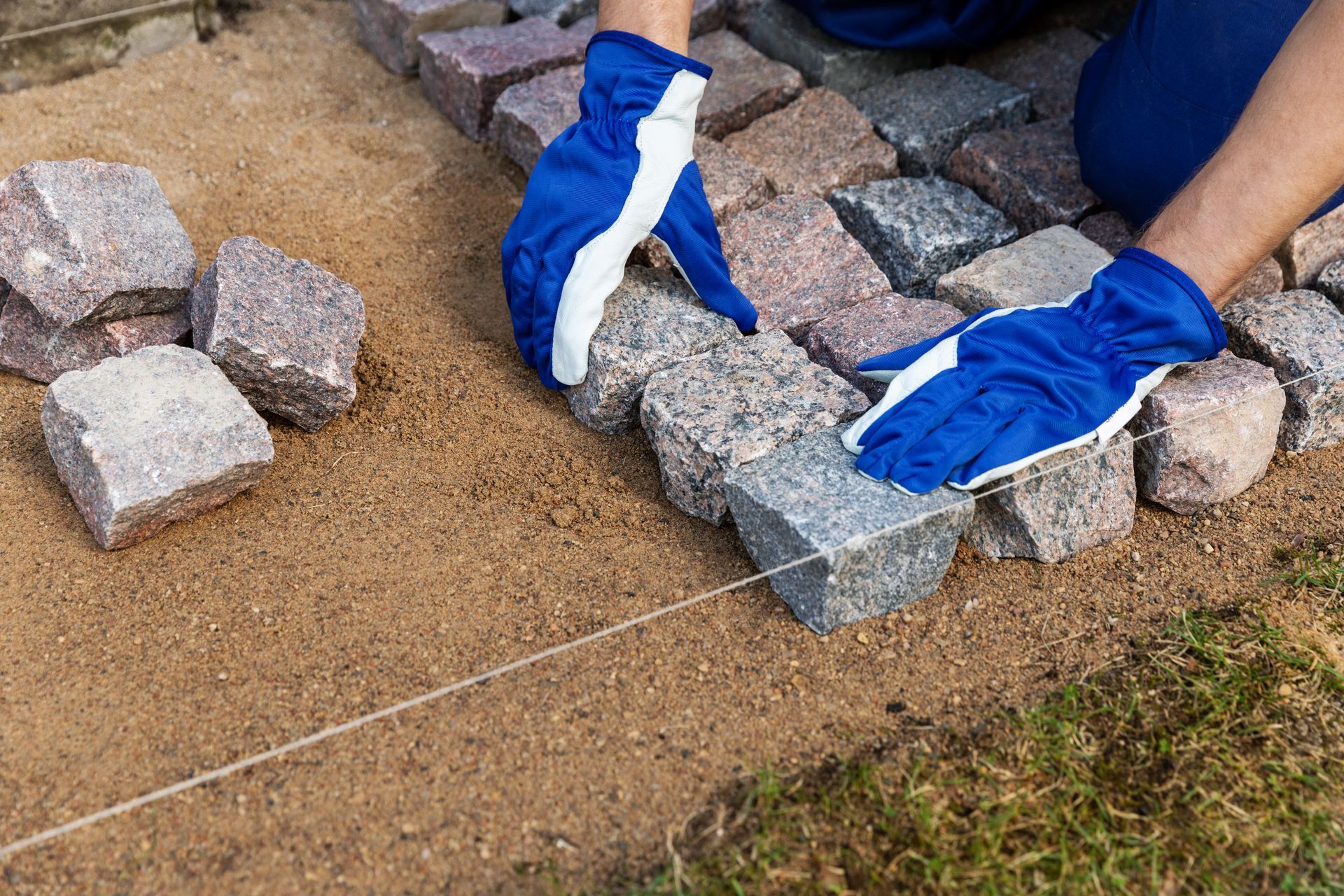
The base is where weather matters most. Compacting the base during dry, mild conditions produces a more stable result. Heavy rain can soften the soil and delay the process. A good contractor watches the forecast and adjusts the schedule, because a rushed base is the most common reason patios shift later.
Planning Your Timeline
Set a target season, then ask your contractor how far in advance they book and what buffer they include for weather. Ask for a written timeline that shows excavation, base, installation, and cleanup. A realistic schedule protects your budget and keeps the project from dragging into the next season.
Material Lead Times
Some stone, pavers, and specialty products need to be ordered weeks in advance. Ask your contractor which materials are in stock and which must be shipped, since a residential hardscaping project cannot move forward without them. Ordering early protects the schedule, especially in busy spring and fall seasons when suppliers and crews are both in demand.
Protecting Work in Progress
Fresh joints, sealed surfaces, and newly placed concrete need time to set. Protect them from heavy rain, direct freezing, and foot traffic until they are ready. A short wait at the end of a project often makes the difference between a surface that looks finished and one that stays that way.
Scheduling Around Holidays and Events
Many homeowners want a patio ready before a major event, such as a graduation party or a holiday gathering. Work backward from the date to allow for excavation, base curing, and cleanup. Ask your contractor to build in a buffer for weather. A project planned with a margin is less stressful and more likely to finish on time.
Weather Windows and Crew Availability
Crews plan their calendars around weather windows, and the best windows are often short. A few dry days in a row can make the difference between finishing a patio and waiting another week. Discuss how your contractor manages those windows, and ask how they communicate changes. Clear communication helps you plan around the work instead of guessing when it will be done.
Cleanup at the End of the Job
A residential hardscaping project is not finished until the site is cleaned, excess material is removed, and the surface is inspected. Ask the crew how they will haul debris, protect your lawn, and leave the area ready for use. A clean finish helps you enjoy the space right away, without weeks of cleanup, and the crew leaves the lawn and walkways as clean as they found them.
Final Thoughts on Timing
Choosing the right season helps your residential hardscaping project finish well and last longer, and it keeps the crew working in favorable conditions. Valley Creek Property Services has built patios and walls across Chester County for more than 30 years and plans each schedule around the weather and the base. Call (610) 597-7342 or request a site visit through the contact page. Browse past projects and service details on the residential hardscaping page.